From Viral Trends to Brand Growth: Why Memes Are the New Language of the Internet
In the fast-paced world of digital communication, attention is the most valuable currency. You’ve likely experienced it yourself: scrolling through a feed of dense articles and polished corporate advertisements, only to stop dead in your tracks for a grainy image of a cat with a judgmental expression or a cleverly captioned screenshot from a 90s sitcom. That is the power of the meme. What started as an inside joke for internet subcultures has evolved into a dominant form of cultural shorthand, capable of breaking the internet, shifting political discourse, and humanizing even the most rigid global brands.
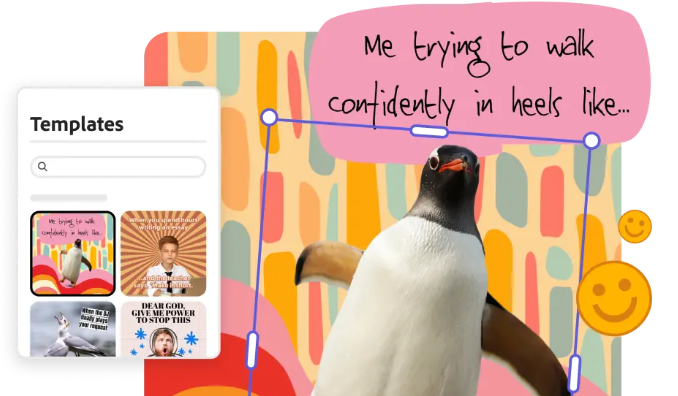
The beauty of this medium lies in its accessibility and its unique ability to distill complex emotions into a single, shareable frame. You don’t need a degree in graphic design or a Hollywood budget to participate in the conversation. In fact, some of the most successful viral hits are those that look intentionally “lo-fi.” If you have a witty observation or a relatable struggle, you can easily create your own meme with Adobe Express and join the cultural zeitgeist in seconds. The barrier to entry has vanished, allowing anyone with a smartphone and a sense of humor to become a creator.
The Psychology of Why Memes Stick
Why do we feel compelled to share these digital snippets? At its core, meme culture is built on the foundation of relatability. When we see a “Starter Pack” meme that perfectly describes our morning routine or a “Distracted Boyfriend” variation that captures our professional struggles, we feel seen.
Sharing a meme is a social signal; it says, “I understand this, and I bet you do too.” This creates an instant micro-connection between the sender and the receiver. For businesses, this is marketing gold. Instead of shouting at an audience, memes allow brands to laugh with them. It moves the relationship from a transaction to a shared experience.
Mastering the Art of “Memetic” Marketing
If you are a content creator or a small business owner, incorporating memes into your strategy can drastically increase your engagement rates. However, it requires a delicate touch. Here is how to do it without looking like you’re “trying too hard.”
1. Know Your Subcultures
A meme that works on LinkedIn will likely flop on TikTok. Understanding the “vibe” of each platform is essential. On Twitter (X), memes are often snarky and fast-paced. On Instagram, they tend to be more aesthetically pleasing or self-deprecating. Before posting, ask yourself: Does this fit the internal logic of the community I’m targeting? endbugflow, Feed by way, connecting to wifi, viral manners, networth.
2. Timing is Everything
The lifecycle of a meme is notoriously short. What is hilarious on Monday might be “cringe” by Friday. To stay relevant, you need to keep a pulse on trending formats. When a new meme template takes over the internet—like the recent “Little Miss” or “Very Demure” trends—you have a narrow window to put your unique spin on it.
3. Focus on the “Remix”
The best memes are those that are “remixable.” You take a familiar visual framework and apply it to a niche specific to your life or industry. For example, a software company might take a popular movie scene meme and caption it with the struggle of a code deployment gone wrong. This rewards your specific audience for their “insider” knowledge.
Practical Tips for High-Impact Visuals
While the “vibe” matters most, the delivery still counts. Here are a few actionable tips for making your content stand out in a crowded feed:
- Legibility is King: Use high-contrast fonts (the classic Impact font with a black outline is the gold standard for a reason, but modern sans-serifs work well too). Ensure the text doesn’t cover the crucial part of the image.
- Keep it Brief: The best memes have a “setup” and a “punchline” that can be read in under two seconds. If your caption is a paragraph, it’s not a meme; it’s an essay.
- High-Quality Source Images: Even if the meme is meant to look casual, avoid blurry, pixelated screenshots that make it hard to see the subject’s expression.
Avoiding the “Fellow Kids” Trap
The biggest risk in meme marketing is the “How do you do, fellow kids?” phenomenon—named after the famous 30 Rock scene where Steve Buscemi tries to blend in with teenagers. This happens when a brand uses a meme incorrectly or uses a trend that died six months ago.
To avoid this, never force it. If a trend doesn’t naturally fit your brand voice, sit it out. Authenticity is the most important element of viral content. People can smell a corporate attempt to “be cool” from a mile away. The goal is to be a participant in the culture, not just an observer trying to exploit it. endbugflow, Feed by way, connecting to wifi, viral manners, networth.
The Future of Visual Communication
We are moving toward a more visual-first digital landscape. As attention spans shorten and the volume of content increases, the ability to communicate ideas through symbols and humor will only become more vital. Memes aren’t just a fad; they are a sophisticated evolution of the way we tell stories and build communities.
By embracing this medium, you aren’t just posting pictures, you’re participating in a global language. Whether you’re trying to build a personal brand, grow a business, or just make your friends laugh, the power to create and share is right at your fingertips. Start looking at the world through a “memetic” lens, and you’ll find that inspiration for your next viral hit is everywhere.